Skip to content

Hill-to-Home Policymaker Visit Toolkit

Why Participate in Hill-to-Home?

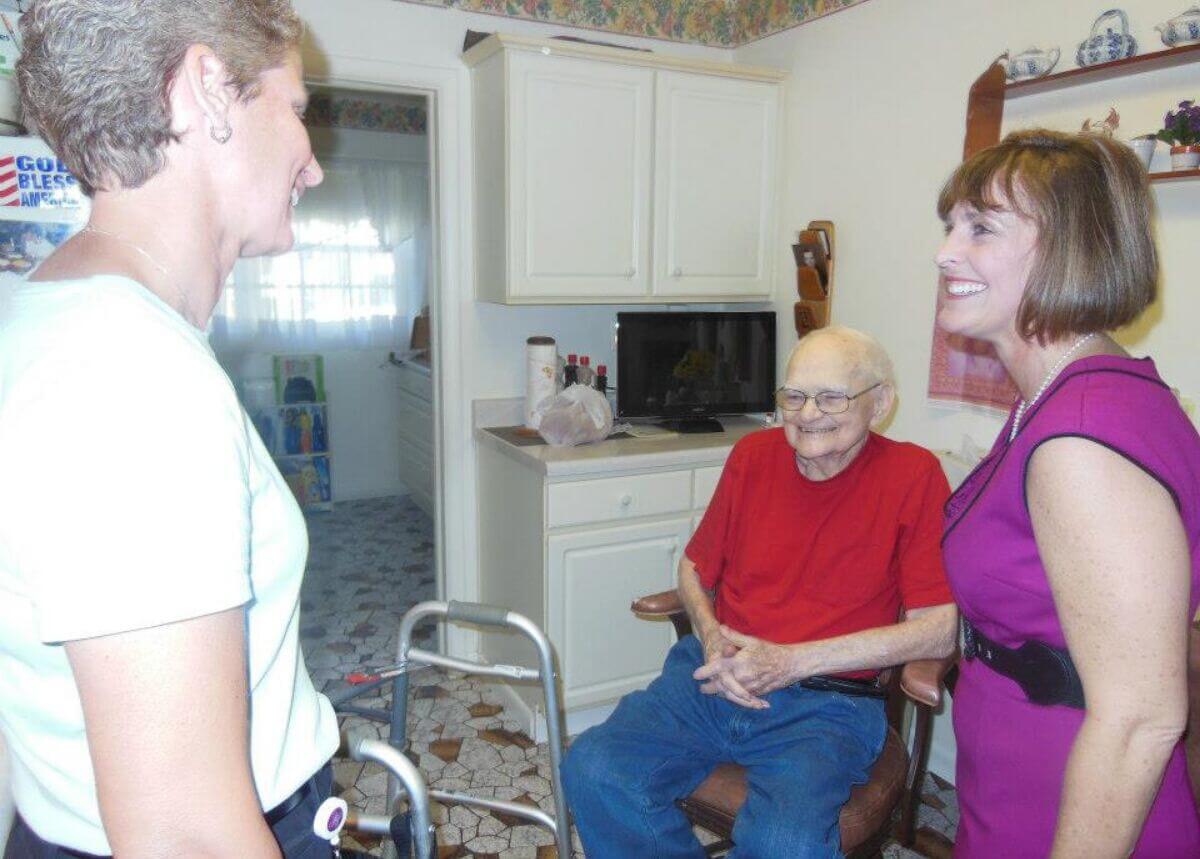
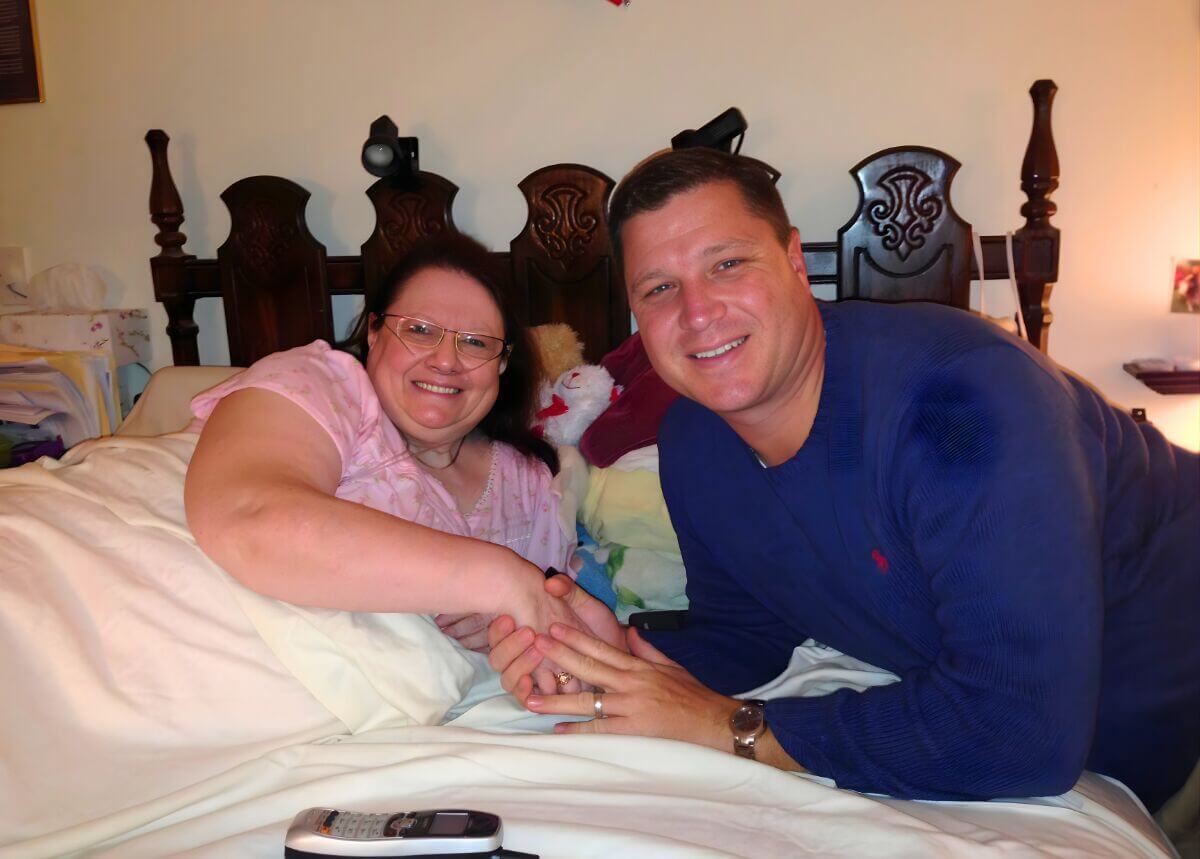
There is no substitute for seeing care delivered in the home.

Through Hill-to-Home, providers can help legislators and regulators see firsthand how home care supports patients, families, and communities — and how public policy decisions affect access to that care.

These visits can help policymakers:

  • Better understand the value of care at home
  • See the complexity of caring for medically fragile or vulnerable populations
  • Learn about operational and policy barriers affecting access to services
  • Build informed relationships with providers in their district

Hill-to-Home is not about lobbying in a patient’s living room. It is about education, relationship-building, and showing policymakers what quality care looks like in practice.
Step 1: Identify the Right Opportunity

Consider inviting:

  • State Representatives
  • State Senators
  • Members of Congress
  • Legislative staff
  • Regulatory agency officials, where appropriate

Prioritize policymakers who:

  • Represent the patient’s district
  • Serve on health-related committees
  • Hold leadership positions
  • Have shown interest in health care or aging/disability issues

HCAF can help identify the right contacts.

1
2

Step 2: Select the Right Home Visit

Choose a visit that:

  • Demonstrates the value of home care clearly
  • Involves a patient/family comfortable participating
  • Reflects issues you want policymakers to better understand
  • Can be conducted safely and with minimal disruption to care

Examples:

  • Medicaid Private Duty Nursing (PDN) for a medically fragile child
  • Home health services preventing hospitalization
  • Personal care services supporting aging in place
  • Complex care coordination in the home

Step 3: Obtain Patient/Family Permission

Before anything else:

  • Explain the purpose of the visit
  • Confirm participation is entirely voluntary
  • Discuss whether photos or media may be involved
  • Obtain written consent as appropriate
  • Ensure privacy protections are maintained

Patient dignity and comfort come first.

Step 4: Invite the Legislator

Sample Invitation Email:

Subject: Invitation to Join a Home Care Visit in Your District

Dear [Senator/Representative Name],

I am writing to invite you to join our team for a brief home visit with a constituent in your district to see firsthand how care is delivered in the home and how these services support patients and families.

We would welcome the opportunity to share the impact of home care, discuss challenges affecting access to services, and provide real-world perspective on issues important to your constituents.

We would be happy to coordinate a date and time that works with your schedule.

Thank you for your consideration.

Sincerely,
[Name]
[Agency]

Step 5: Prepare a Legislative Briefing Sheet

Provide a simple one-page leave-behind that includes the following:

About Your Agency

  • Geographic footprint (location anc county/counties served)
  • Years serving the community
  • Patients served
  • Services provided
  • Workforce size

What You’ll See Today

  • Patient situation
  • Type of services delivered
  • Why these services matter
  • Key Issues (limit to 2-3)
    • Workforce shortages
    • Reimbursement challenges
    • Administrative barriers
    • Access issues

Keep it simple.

Step 6: Prepare Your Talking Points

Use this framework:

  • Start With Gratitude — “Thank you for taking the time to visit today.”
  • Explain What You Do — “Our agency provides…”
  • Tell the Story — “This patient is able to remain safely at home because…”
  • Explain the Challenge — “One challenge affecting care is…”
  • Make the Connection to Policy — “This is where policy decisions matter…”
  • Close With Appreciation — “Thank you for taking an interest in this issue.”

Step 7: Day-of Visit Checklist

Before the visit:

  • Confirm time and location
  • Confirm attendees
  • Brief staff and family
  • Prepare leave-behind materials
  • Confirm whether photos are permitted
  • Coordinate parking/arrival logistics

Bring:

  • One-pager
  • Business cards
  • Patient consent documentation
  • Notes/talking points

Step 8: During the Visit

Do:

  • Keep remarks concise and conversational
  • Focus on patient impact
  • Let the visit speak for itself
  • Allow the legislator to ask questions
  • Keep discussion nonpartisan

Do Not:

  • Turn it into a grievance session
  • Overwhelm with technical detail
  • Ask for legislative commitments on the spot
  • Discuss confidential patient information without consent

Step 9: If Media Is Involved (Optional)

Coordinate in advance. Consider:

  • Whether press adds value
  • Who serves as spokesperson
  • Key message for media
  • Photo permissions
  • Whether HCAF can assist

Possible press angle:

Legislator Visits Constituent Receiving Home Care in [District]

Step 10: Follow Up After the Visit

Send a thank-you within 24-48 hours.

Sample Follow-Up:

Dear [Legislator],

Thank you again for taking the time to visit with us and learn more about care delivered in the home.

We appreciated the opportunity to share the experience of patients and families in your district and look forward to serving as a resource moving forward.

Please let us know if we can ever provide additional information.

Sincerely,
[Name]

Optional Ways to Strengthen the Relationship

After the visit:

  • Reach out to request a meeting at HCAF’s annual Home Care Day at the Capitol
  • Invite them to an HCAF Thrive Thursday Provider Town Hall
  • Share relevant updates periodically
  • Offer yourself as a resource on home care issues

Advocacy is built through ongoing relationships.

HCAF Can Help You Participate in Hill-to-Home

Through the Hill-to-Home program, HCAF can support providers with:

  • Identifying and contacting legislators or regulators
  • Coordinating visits
  • Preparing talking points and briefing materials
  • Providing district-specific data
  • Attending visits when appropriate
  • Supporting communications or media outreach

If you are interested in participating in Hill-to-Home, contact Kyle Simon, Senior Director of Policy, Advocacy & Communications, at (850) 222-8967 or ksimon@homecarefla.org.

Scroll To Top