Skip to content

Meeting With Lawmakers: Tips for Effective Advocacy

Whether you are meeting with a local elected official, a state legislator, or a member of Congress, your voice matters.

Lawmakers make decisions that affect reimbursement, workforce policy, regulatory requirements, and access to care. Few people are better positioned to help them understand the real-world impact of those decisions than home care providers.

And remember: legislators represent you. Meeting with them is not only appropriate — it is an important part of effective advocacy.

1. Start With a Clear Ask

Know exactly what you want the lawmaker to do before the meeting. Be specific and actionable.

Examples:

  • Please support policies that expand access to care at home.
  • Please support funding to strengthen the home care workforce.
  • Please support/oppose [Bill Number] because it will affect patients, providers, and access to services.

If the lawmaker remembers one thing after your meeting, it should be your ask.

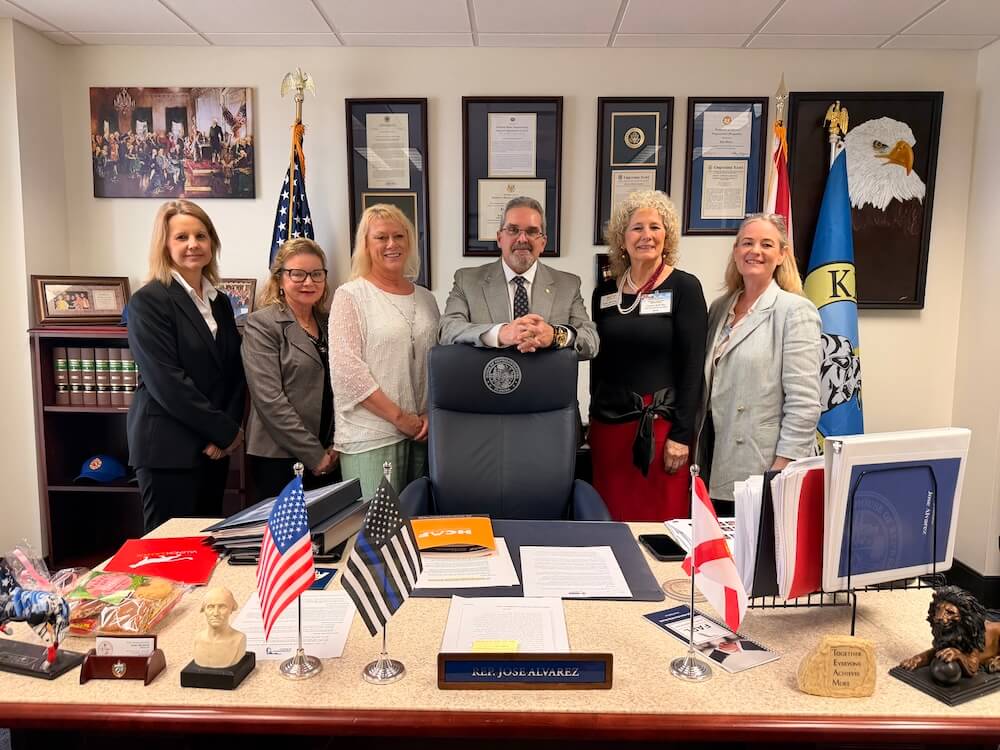
IMG_0298 copy
IMG_7424 copy

2. Prepare in Advance

Do your homework. Before the meeting:

  • Review the issue you plan to discuss
  • Understand the legislator’s committee assignments or policy interests
  • Learn where they may already stand on the issue
  • Review any briefing materials or talking points
  • Bring relevant district or agency data when possible

If attending as a group:

  • Decide who will lead the conversation
  • Assign roles (introduction, issue expert, patient story, closing ask)
  • Practice beforehand so the meeting flows smoothly

Preparation builds confidence.

3. Introduce Yourself and Establish Why You Matter

Start strong. Share:

  • Your name
  • Your agency or organization
  • Where you operate
  • The patients or communities you serve
  • That you are a constituent, if applicable
  • Help them understand quickly why your perspective is relevant.

Example:

  • “My name is ___, and I operate a home health agency serving medically fragile children in your district…”

4. Lead With Impact, Not Jargon

Keep your message clear, concise, and easy to follow. Use a simple framework:

  • Problem: What is the issue?
  • Impact: How is it affecting patients, families, or providers?
  • Solution: What should be done?

Avoid drowning the conversation in technical detail. Focus on what matters most.

5. Use Real Stories

Data informs. Stories persuade. Share examples that illustrate:

  • A patient helped by home care
  • A family impacted by policy barriers
  • A workforce or operational challenge affecting access

Stories help lawmakers connect policy to people. Keep examples concise and protect patient privacy.

6. Make the Meeting a Conversation

This should be a dialogue, not a speech. Ask questions:

  • What are you hearing about this issue?
  • Have you seen similar concerns from others?
  • How can we be a resource to you?

Good advocacy includes listening.

7. It is Fine Not to Have Every Answer

You are not expected to know everything. If asked something you cannot answer:

  • “That’s a great question. I’d like to get you accurate information and follow up.”

Then follow through. Credibility matters more than improvising.

8. Stay Focused and Manage the Clock

Legislative meetings are often brief. Stay disciplined:

  • Lead with your main issue
  • Avoid trying to cover too many topics
  • Keep returning to your central ask
  • Leave time for questions

If the discussion drifts, respectfully bring it back:

  • “I appreciate that, and I’d like to return to the issue we came to discuss…”

9. Bring a Leave-Behind

Always provide a concise handout the legislator or staff can keep. A strong leave-behind should include:

  • The issue
  • Your position
  • Key facts
  • Your ask
  • Contact information

One page is usually enough. HCAF can help develop effective leave-behind materials.

10. Staff Matter — Treat Them Like Decision-Makers

Legislative staff are often deeply influential. Take staff meetings seriously. Build relationships with:

  • Legislative aides
  • Policy staff
  • District staff
  • Committee staff

Often, today’s staff contact becomes tomorrow’s key ally.

11. Follow Up After the Meeting

Advocacy does not end when the meeting does. Within 24-48 hours:

  • Send a thank-you note
  • Reiterate your main ask
  • Provide any promised follow-up information
  • Offer to serve as a resource

Relationships are built through follow-up.

12. Stay Engaged Beyond One Meeting

The most effective advocates show up consistently. Consider:

  • Attending district meetings or town halls
  • Inviting lawmakers to visit your agency or join a patient home visit
  • Participating in HCAF advocacy events
  • Staying in touch throughout the year, not just during session

Advocacy works best when it is ongoing.

A Few Final Tips

Do:

  • Be respectful
  • Be concise
  • Be factual
  • Be solution-oriented
  • Be memorable

Don’t:

  • Overwhelm with too much information
  • Make the meeting partisan
  • Argue or become defensive
  • Overstate facts
  • Leave without making your ask

Need Help Preparing?

HCAF can help you:

  • Prepare for meetings
  • Develop talking points
  • Review leave-behind materials
  • Coordinate meetings with lawmakers
  • Support home visits and advocacy events

Interested in meeting with your legislator or attending an advocacy event? Contact Kyle Simon, Senior Director of Policy, Advocacy & Communications, at ksimon@homecarefla.org or (850) 222-8967.

Scroll To Top